Train smarter, lift better, track everything
Free, plain-English training guides from Ripped Shape: how to do the big lifts with good form, complete workout programs with weekly tables, the science of progressive overload and recovery, and nutrition basics without the hype.
Pick an exercise, start a program, log your sessions and repeat. Small, steady progress is how real results are built.
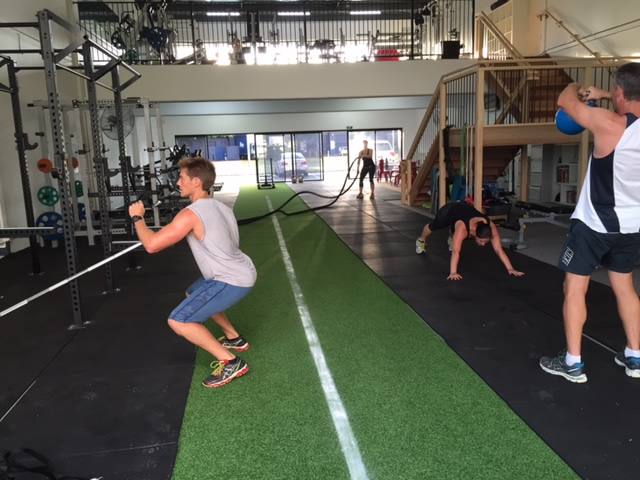
Exercise library
Step-by-step form guides for the big lifts and bodyweight staples, with muscles worked, cues, mistakes and variations.
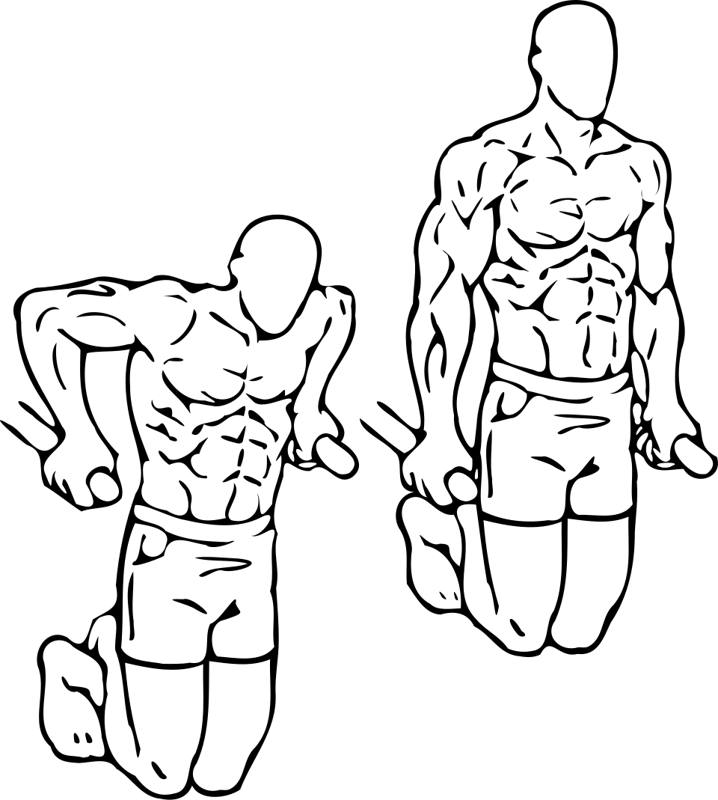 Exercise libraryParallel bar dipsDips are a powerful bodyweight press for the chest, triceps and shoulders. Learn safe depth, form cues, scaling options and when to choose a different exercise.Exercise libraryThe Romanian deadliftThe Romanian deadlift (RDL) is the best hamstring and hinge-pattern builder in most programs. Learn the setup, how far to lower the bar and the most common faults.
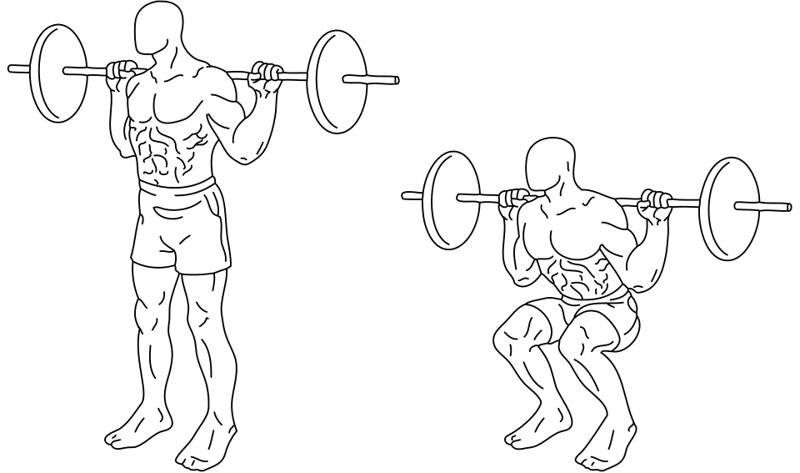 Exercise libraryThe barbell back squatHow to set up, brace and squat with a barbell, which muscles it trains, the most common mistakes and the variations that suit different bodies and goals.Exercise libraryThe barbell rowThe bent-over barbell row builds a thick, strong upper back and balances out all your pressing. Here is the setup, the cues, the mistakes and the best row variations.
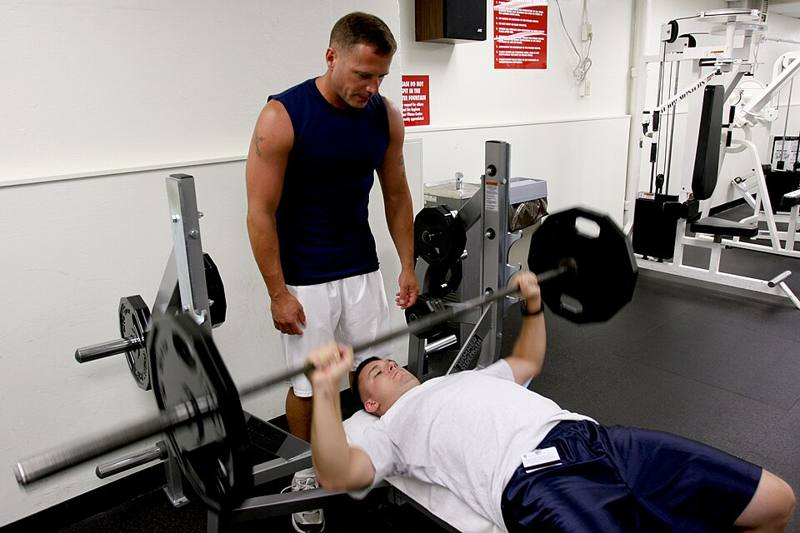 Exercise libraryThe bench pressHow to set up on the bench, where to touch the bar and how to press safely, with the muscles worked, common mistakes and dumbbell and incline variations.
Workout programs
Complete weekly plans for beginners, gym regulars, home training and dumbbell-only setups, with sets, reps and progression.
Training science
Progressive overload, sets and reps, RPE, rest, deloads, cardio and recovery, explained without jargon.
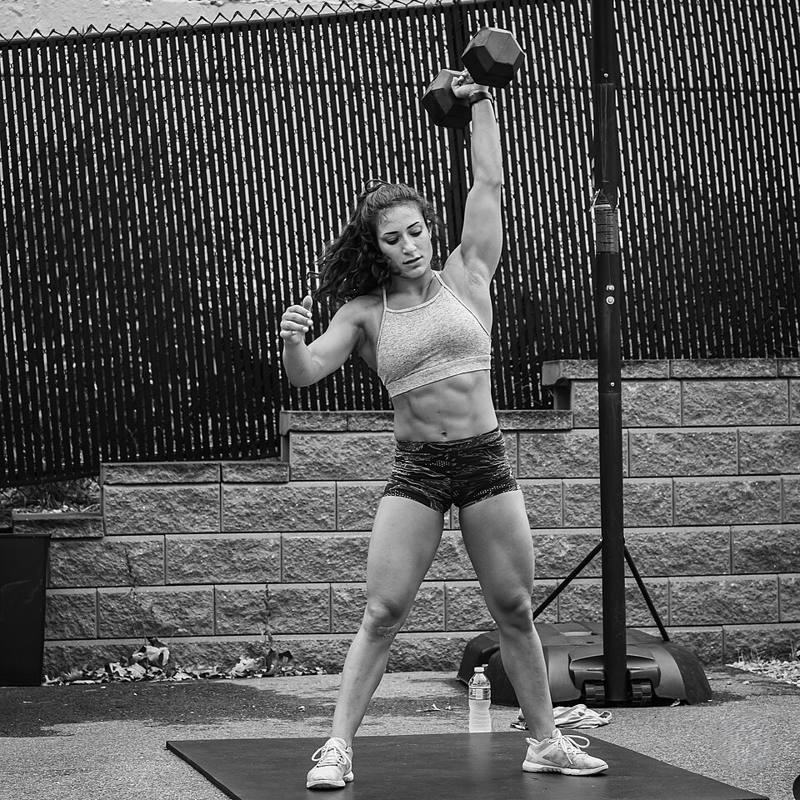 Training scienceCardio: HIIT vs LISSHigh-intensity intervals or steady low-intensity cardio? Compare the two, see how much cardio public health guidelines recommend and how to fit it around lifting.Training scienceDeloads and planned recoveryA deload is a short, planned period of easier training that lets fatigue fade so fitness can show. Learn when to deload, how to do it and why it is not wasted time.Training scienceHow long to rest between setsRest periods affect how much work you can do in each session. Here is what research suggests for strength, muscle growth and conditioning, plus ways to save time without losing results.Training scienceHypertrophy vs strength trainingBuilding bigger muscles and building maximum strength overlap a lot but are not the same. Compare how to train for each, and how to combine them.Training scienceMobility and warm-upsA smart 10-minute warm-up prepares your joints and muscles for heavy lifting. Learn the difference between mobility and flexibility, a routine you can copy, and how to build warm-up sets.Training scienceProgressive overloadProgressive overload means gradually asking your body to do more over time. It is the single most important principle in strength training. Here are the five ways to apply it.
Nutrition basics
Calories, TDEE, protein, carbs, fats, hydration and the few supplements with real evidence. Education only.
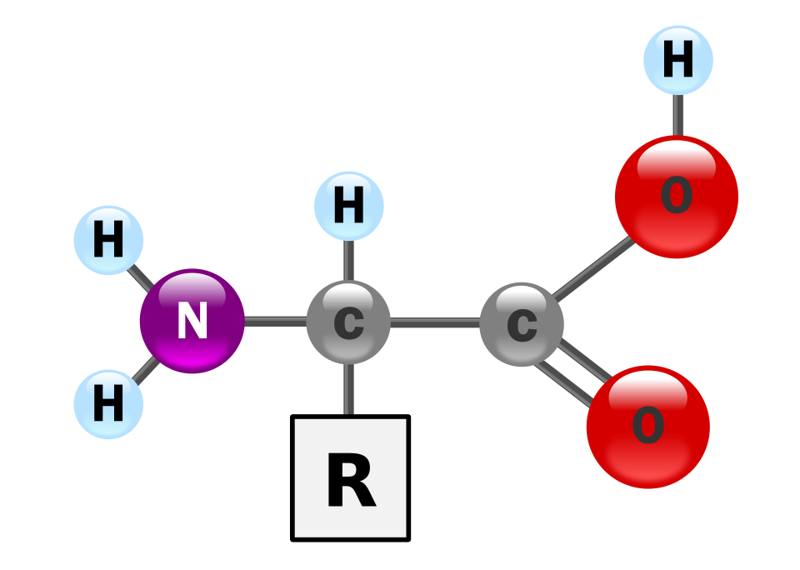 NutritionProtein for strength trainingHow much protein lifters need, how to spread it across the day, and the best food sources, with a simple table to hit your target without supplements.NutritionSupplements with real evidenceMost supplements do little. A few, such as creatine monohydrate, caffeine and protein powder, have solid evidence. Here is what each does, typical amounts and safety notes.
Muscle group guides
What each major muscle group does, the best exercises for it and how much weekly volume to aim for.
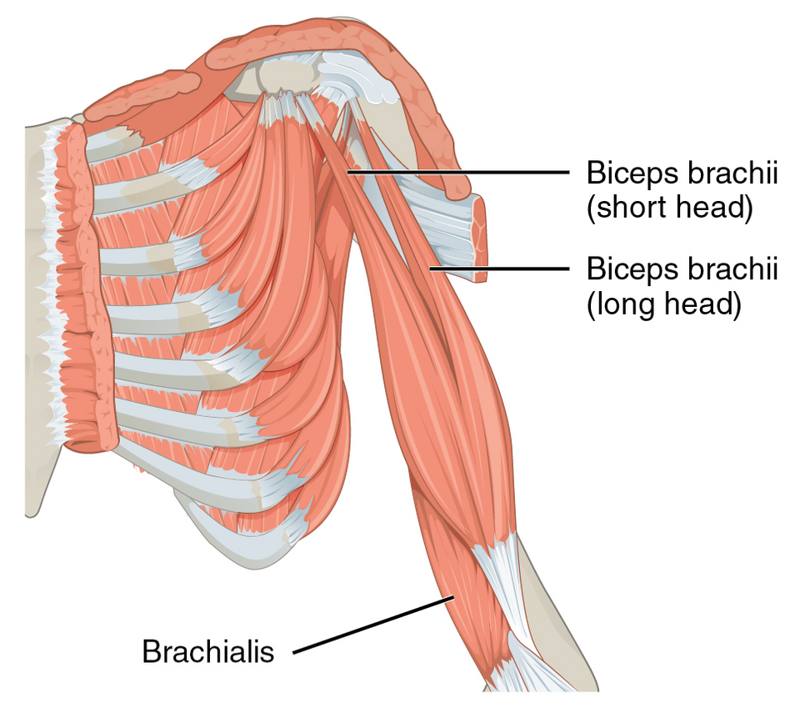 Muscle groupsArms training guideBiceps, triceps and forearms explained, with the best exercises for each, how much direct arm work you really need and a simple routine to add to any program.Muscle groupsBack training guideThe back is a group of muscles that pull, stabilize and protect the spine. Learn the main muscles, the best exercises for width and thickness, and weekly volume targets.Muscle groupsChest training guideHow the chest muscles work, the best exercises for the upper, middle and lower chest, and how many weekly sets to aim for, with a sample routine.
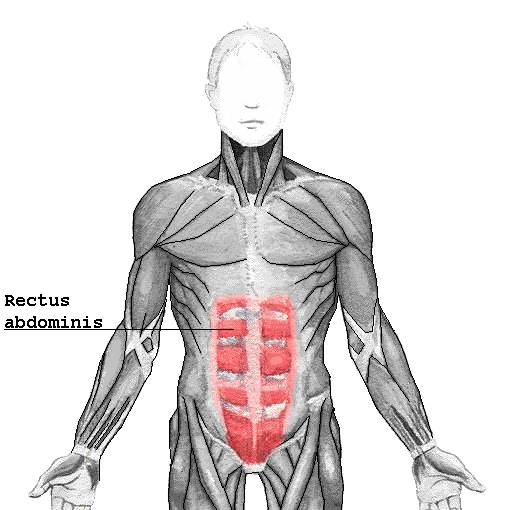 Muscle groupsCore training guideYour core is more than a six-pack. Learn the core muscles, the four jobs they do, the best exercises for each and why visible abs depend more on body fat than on crunches.Muscle groupsLegs and glutes training guideThe quads, hamstrings, glutes and calves make up the biggest muscles in the body. Learn what each does, the best exercises for each and how to balance squats and hinges.
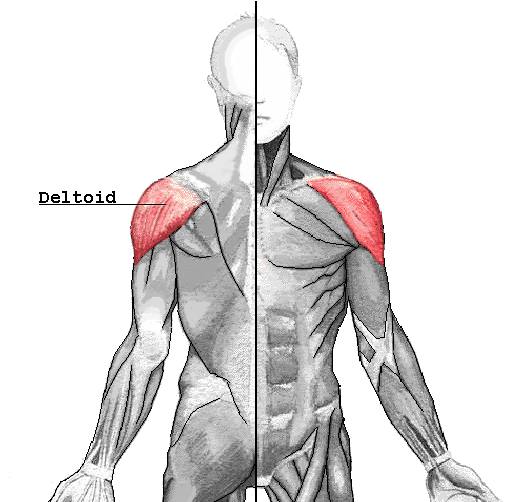 Muscle groupsShoulders training guideThe deltoids have three parts that respond to different exercises. Learn how to build all three, keep the rotator cuff healthy and plan weekly shoulder volume.
Tracking progress
How to log workouts, measure body changes and break through plateaus.
Reference
The gym glossary, a 12-week beginner checklist, answers to common questions and equipment comparisons.
Watch on YouTube
Short, no-nonsense training tips, form cues and motivation.
Gym wear for people who log their lifts
Tees and hoodies printed to order. Every order helps keep these training guides free.