Training Guides / Nutrition basics
Protein for strength training
How much protein lifters need, how to spread it across the day, and the best food sources, with a simple table to hit your target without supplements.
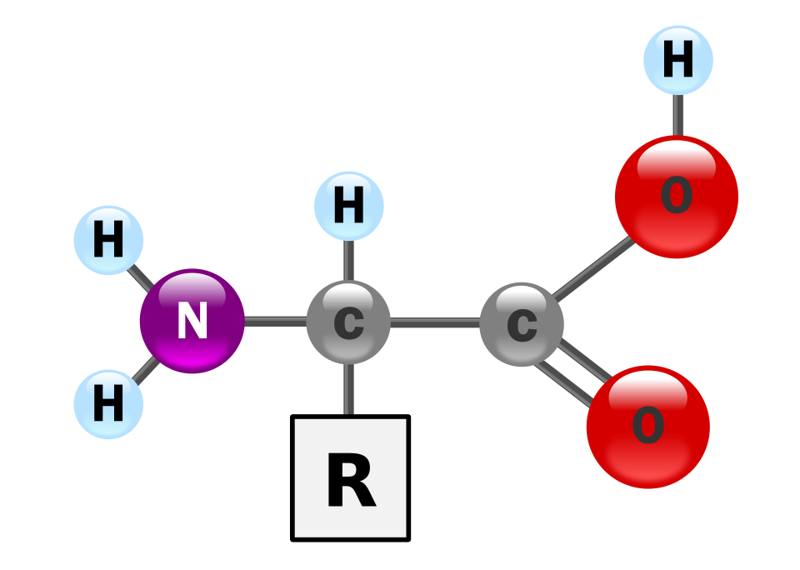
Protein provides the amino acids your body uses to repair and build muscle. Training creates the signal for growth; protein supplies the raw materials. For anyone lifting regularly, getting enough protein is the most important nutrition habit after total calories.
General nutrition education only. People with kidney disease or other medical conditions should follow their doctor's or dietitian's advice on protein intake.
How much do you need?
The standard Recommended Dietary Allowance for adults is 0.8 g per kg of body weight per day. That is the amount to prevent deficiency in the general population, not the amount that best supports muscle growth.
For people doing resistance training, research reviews and sports nutrition organizations suggest more:
| Situation | Daily protein (g per kg body weight) |
|---|---|
| General adult minimum (RDA) | 0.8 |
| Strength training, maintaining or building | About 1.6, with up to about 2.2 for those who want to be sure |
| Dieting to lose fat while lifting | Toward the higher end, about 1.8 to 2.2+ |
A widely cited 2018 meta-analysis by Robert Morton and colleagues found that the benefit of extra protein for muscle gain levels off around 1.6 g per kg per day on average, with some people benefiting from more. In pounds, 1.6 g/kg is about 0.73 g per pound.
Example: an 80 kg (176 lb) lifter would aim for roughly 130 to 175 g of protein per day.
If you carry a lot of body fat, base the calculation on a goal weight rather than current weight.
Spreading it out
Research suggests muscle protein synthesis responds well to meals containing roughly 0.3 to 0.4 g per kg, which is often 25 to 40 g of protein for most adults. A practical approach is 3 to 5 protein-rich meals or snacks a day. Total daily intake matters more than precise timing, but having protein in the meals before and after training is an easy habit.
Good protein sources
| Food | Approximate protein |
|---|---|
| Chicken breast, cooked, 100 g | About 30 g |
| Lean beef, cooked, 100 g | About 26 to 30 g |
| Salmon, cooked, 100 g | About 22 to 25 g |
| Eggs, 2 large | About 12 to 13 g |
| Greek yogurt, plain, 200 g | About 18 to 20 g |
| Cottage cheese, 200 g | About 22 to 25 g |
| Lentils, cooked, 1 cup (about 200 g) | About 18 g |
| Tofu, firm, 150 g | About 18 to 25 g, depends on brand |
| Whey protein, 1 scoop (about 30 g) | About 20 to 25 g, check the label |
Values vary by product and preparation; check labels where you can.
Plant-based lifters
Plant proteins can support muscle growth well. Combine sources such as legumes, soy, grains, nuts and seeds through the day, and aim for the higher end of the intake range because some plant proteins are a little less digestible and lower in the amino acid leucine.
Common questions
Can you absorb only 30 g at a time? No. Your body digests and absorbs larger meals; they just take longer. Spreading intake out is a helpful habit, not a hard rule.
Do you need protein shakes? No. They are simply a convenient food. See supplements.
Build each meal around a protein source first, then add vegetables, carbohydrates and fats. It is the simplest way to hit your target every day.