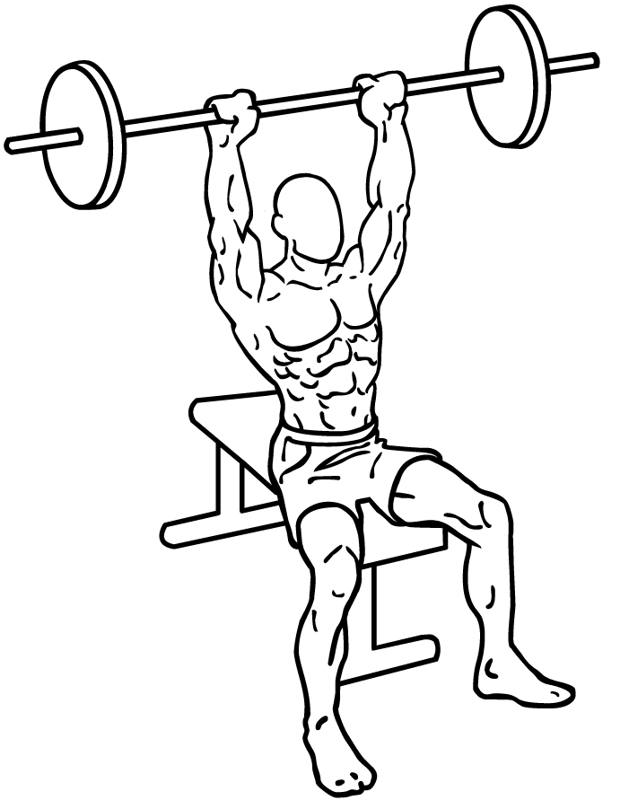
Training Guides / Muscle group guides
Shoulders training guide
The deltoids have three parts that respond to different exercises. Learn how to build all three, keep the rotator cuff healthy and plan weekly shoulder volume.
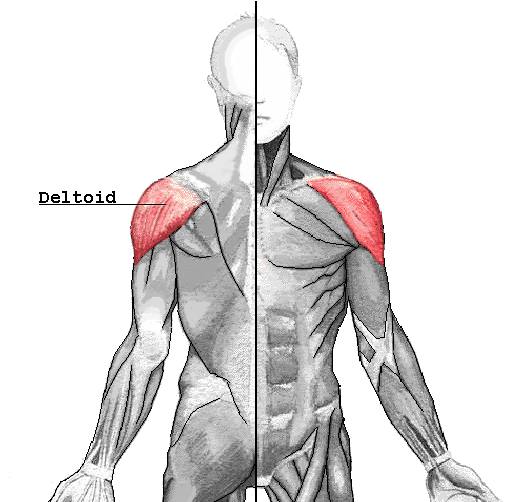
The shoulder is the most mobile joint in the body, which makes it versatile and also easy to irritate if trained badly. The visible shoulder muscle is the deltoid, which has three parts. Beneath it, four small rotator cuff muscles keep the ball of the upper arm centered in its socket.
General education only. Persistent shoulder pain, clicking with pain, or weakness should be assessed by a qualified professional.
The three deltoid heads
| Head | Location | Main action | Best exercises |
|---|---|---|---|
| Anterior (front) | Front of shoulder | Raises arm forward | Overhead press, incline press, bench press |
| Lateral (side) | Outside of shoulder | Raises arm out to the side | Lateral raise, cable lateral raise, upright row (wide grip) |
| Posterior (rear) | Back of shoulder | Pulls arm backward | Face pull, rear delt fly, wide-grip rows |
The front delts get plenty of work from pressing. The side delts create the width of the shoulders and need direct work. The rear delts are often undertrained, which can contribute to a rounded-forward look.
The rotator cuff
The four rotator cuff muscles are the supraspinatus, infraspinatus, teres minor and subscapularis. They work in almost every upper-body exercise. Many lifters add light external rotation work, such as band or cable external rotations, as part of a warm-up or as an accessory. Heavy pressing and pulling with good form also strengthen them.
Weekly volume
| Area | Rough weekly hard sets (intermediate) |
|---|---|
| Front delts | Usually covered by 6+ sets of pressing; little direct work needed |
| Side delts | 8 to 16 direct sets |
| Rear delts | 6 to 12 sets, partly covered by rows |
Shoulders recover quickly from isolation work, so lateral and rear delt raises can be trained 2 to 4 times a week in small doses.
Sample shoulder work across a week
| Session | Exercise | Sets x reps |
|---|---|---|
| Upper 1 | Overhead press | 3 x 6-8 |
| Upper 1 | Lateral raise | 3 x 12-20 |
| Upper 2 | Cable lateral raise | 3 x 12-15 |
| Upper 2 | Face pull | 3 x 15-20 |
| Upper 2 | Rear delt fly | 2 x 15-20 |
Technique tips
- Lateral raises: use light weights, lead with the elbows, raise to about shoulder height and control the lowering. Swinging heavy dumbbells mostly trains the traps and momentum.
- Face pulls: pull the rope toward the forehead with elbows high, then rotate the hands back.
- Pressing: keep the shoulder blades stable and do not force range that causes pain.
Keeping shoulders healthy
- Warm up with band pull-aparts and external rotations; see mobility and warm-ups.
- Balance pushing and pulling. Aim for at least as many pulling sets as pressing sets.
- Avoid painful positions such as very deep dips or behind-the-neck pressing if they bother you.
- Progress slowly. Shoulder exercises respond to small jumps in weight.
Strong rear delts and upper back help everything from the bench press to posture. Read the back guide to round out your upper body.