Training Guides / Muscle group guides
Core training guide
Your core is more than a six-pack. Learn the core muscles, the four jobs they do, the best exercises for each and why visible abs depend more on body fat than on crunches.
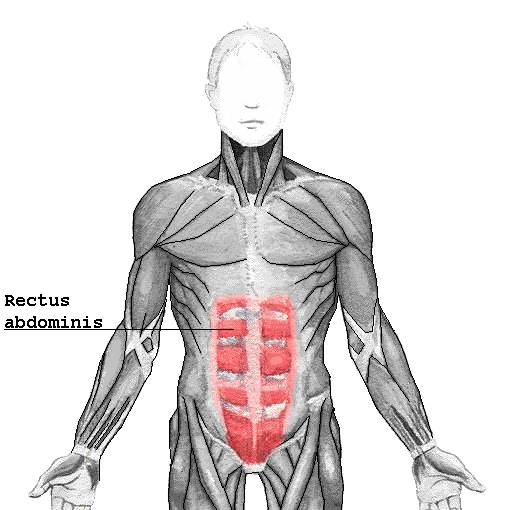
The core is the group of muscles that surrounds the trunk and connects the upper body to the lower body. It includes the rectus abdominis (six-pack), the external and internal obliques, the deep transverse abdominis, the spinal erectors, the diaphragm and the pelvic floor, plus muscles around the hips. A strong core transfers force between the legs and arms and helps keep the spine stable under load.
General education only. If you have back pain, a hernia, or are pregnant or postpartum, get personal advice from a qualified professional.
The four jobs of the core
| Job | Description | Example exercises |
|---|---|---|
| Anti-extension | Resist arching the lower back | Plank, ab wheel, dead bug, body saw |
| Anti-rotation | Resist twisting | Pallof press, bird dog, single-arm row |
| Anti-lateral flexion | Resist bending sideways | Side plank, suitcase carry, single-arm farmer's walk |
| Flexion and rotation | Curl and twist the trunk | Crunch, hanging knee raise, cable woodchop |
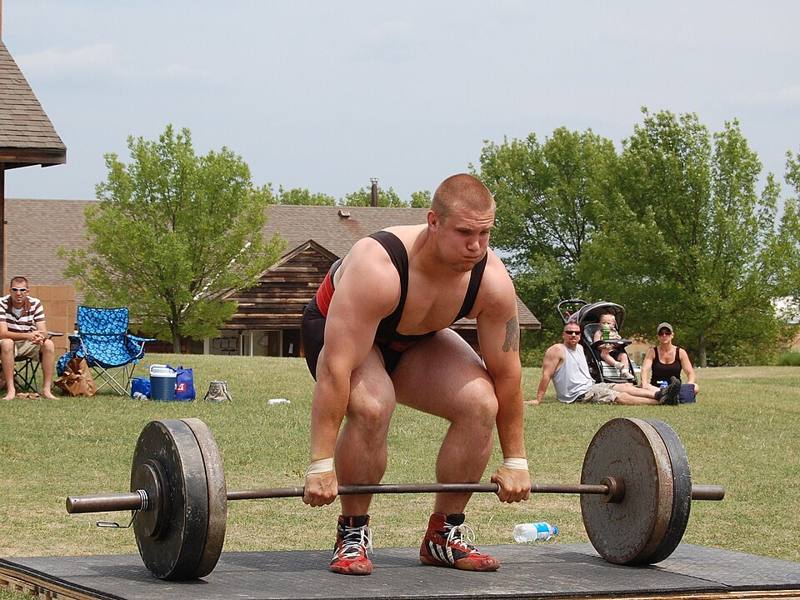
A balanced program includes something for each job. Heavy squats and deadlifts also train the core intensely because you must brace hard to keep your spine still.
Bracing: the core skill for lifting
Bracing means taking a deep breath into your belly and tightening the muscles all around the trunk, like preparing to be poked in the stomach. This raises pressure inside the abdomen and stiffens the torso so it can transfer force. Practice it in planks and dead bugs, then use it before every heavy rep.
How much core work?
Most people do well with 2 to 3 short core sessions a week of 2 to 4 exercises, about 10 minutes, added to the end of training. Pick one or two exercises from different rows of the table each time.
Sample core circuit
| Exercise | Sets x reps or time |
|---|---|
| Dead bug | 3 x 8 per side |
| Pallof press | 3 x 10 per side |
| Suitcase carry | 3 x 30 m per side |
| Hanging knee raise | 3 x 10-15 |
The six-pack question
Everyone with healthy abdominal muscles already has a "six-pack" shape under the skin. Whether you can see it depends mostly on body fat level, along with genetics. You cannot burn fat from one specific spot by doing exercises for that area; research on "spot reduction" generally shows little to no effect. Visible abs come from a combination of building the muscle and lowering overall body fat through diet. See cutting and bulking.
Common mistakes
- Hundreds of crunches instead of harder, varied exercises.
- Pulling on the neck during crunches.
- Holding planks for many minutes instead of progressing to harder versions.
- Arching the lower back during leg raises and ab wheel rollouts. Shorten the range until you can control it.
Carries are underrated. Walking with heavy dumbbells or kettlebells trains grip, core, upper back and conditioning together. Add them to the end of a dumbbell-only session.